

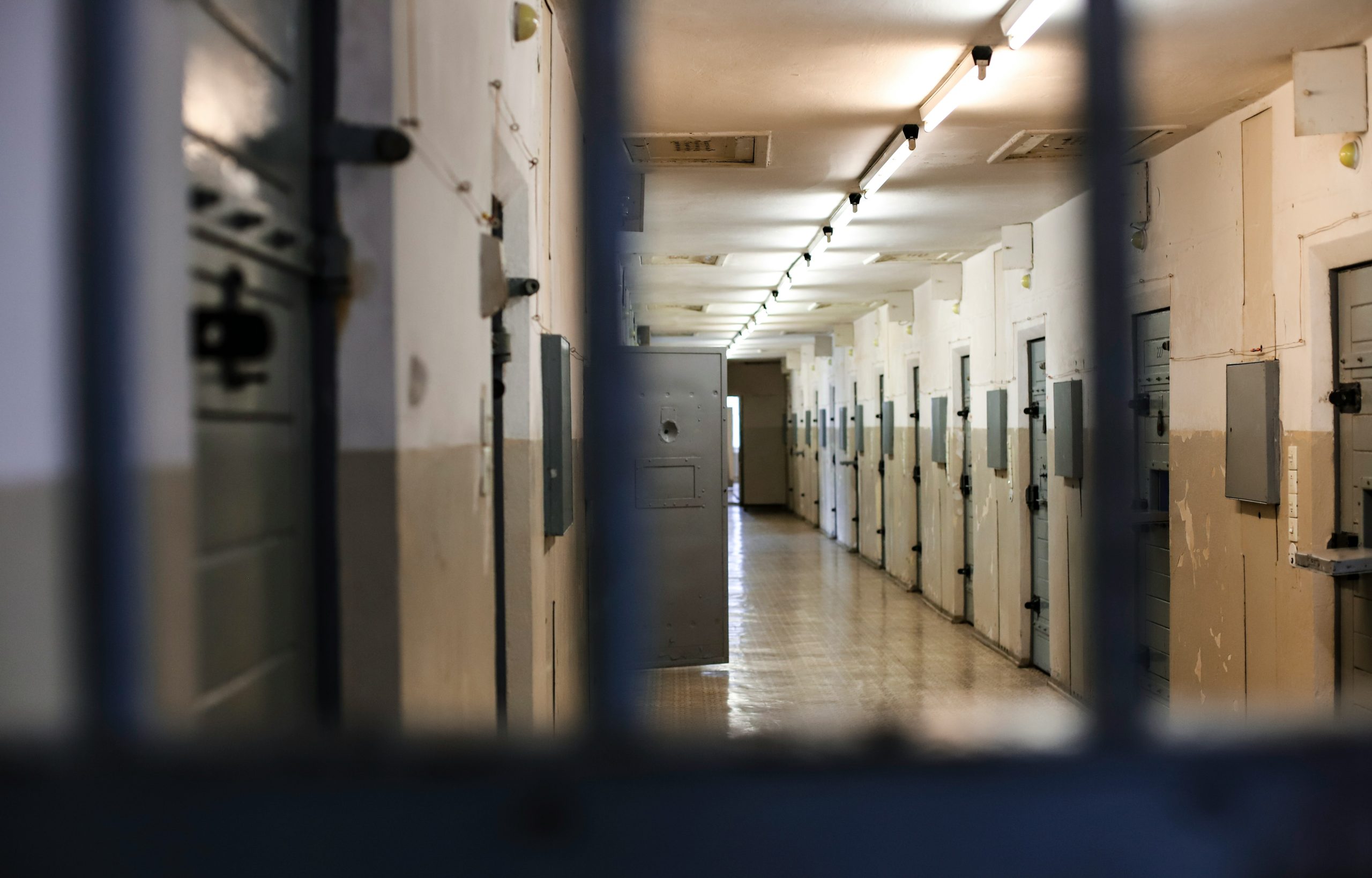


On 2 January 2026, the new Indonesian Criminal Procedural Law officially became effective. Law Number 20 of 2025 on Criminal Procedural Law (“KUHAP 2025”) constitutes a comprehensive reform of Indonesia’s criminal procedural law, intended to align the criminal justice system with recent legal developments, particularly Law Number 1 of 2023 on Criminal Code (“KUHP 2023”). This article examines and analyzes several key differences introduced by KUHAP 2025 in comparison with the previous Criminal Procedural Law (“KUHAP”).
The latest regulation places emphasis on restorative justice, the strengthening of suspects’ rights to ensure a fair trial without intimidation, the enhancement of procedural safeguards at every stage of the criminal process, the reinforcement of the role of advocates as an important part of the criminal justice system, and other significant provisions. These are some of the key discussions that will be addressed in this following article regarding the enacment of KUHAP 2025.
Restorative Justice has become one of the most frequently discussed aspects following the enactment of KUHAP 2025 as it places greater emphasis on victims, particularly by ensuring the recovery of both material and immaterial losses through the restorative justice mechanisms (“RJ”). The application of RJ is subject to certain requirements under Article 80 paragraph (1) of KUHAP, as follows
“(1) Restorative Justice mechanisms may be applied to criminal offenses that meet the following criteria:
a. offenses punishable only by a fine of up to Category III or by imprisonment for a maximum of five (5) years;
b. offenses committed for the first time; and/or
c. offenses that do not constitute repeat offenses, except for offenses punishable by a fine or offenses committed due to negligence.”
These requirements show that the restorative justice is applied selectively, mainly to less serious offenses and first-time offenders. The limitations are intended to prevent the misuse of restorative justice mechanisms while maintaining a legal certainty and a sense of justice for the victims and the broader community.
KUHAP 2025 not only strengthens the rights of victims but also enhances the legal standing of advocates. Under Article 149 of KUHAP 2025, advocates are expressly defined as law enforcement officers, and therefore may not be subjected to civil or criminal liability in the performance of their professional duties. This Particular provision ultimately aligns the KUHAP with Article 16 of Law No 18 of 2003(the “Advocate Law”), which affirms that an advocate shall not be subject to civil or criminal liability in the performance of his or her professional duties, provided that the duties are carried out in good faith and in the interest of defending the client. This recognition elevates the institutional position of advocates and affirms their role as equal actors within the criminal justice system. Furthermore, Article 150 of KUHAP 2025 provides that advocates are entitled to accompany the suspects, defendants, witnesses, and victims at all stages of examination. This marks a significant change from the previous Code, KUHAP, where Article 54 merely provided that legal assistance could be rendered at all levels of examination, which in practice was interpreted as excluding the advocate’s assistance at the time of arrest. Under KUHAP 2025, advocates may also play an active role by raising objections to any form of intimidation or leading questions, as stated in Article 32 paragraph (2) of KUHAP 2025, and the objections must be recorded in the official examination report (Berita Acara Pemeriksaan).
Even with this transformation, KUHAP 2025 still contains several provisions that may give rise to controversy in its implementation. Article 113 of KUHAP 2025 states that prior to conducting a search, investigators are required to obtain an authorization from the head of the district court. However, paragraph (4) of the same article states that, in urgent circumstances, investigators may conduct a search without prior judicial authorization. The phrase urgent circumstances are not further defined in KUHAP 2025, thereby leaving a considerable room for interpretation. While the exception may be justified under certain conditions, the absence of clear normative parameters in KUHAP 2025 raises concerns, as it potentially opens the door to abuses of authority.
Given the above, KUHAP 2025 is expected to introduce a more modern, humane, and responsive procedural framework that addresses the needs of the victims, suspects, and vulnerable groups. The emphasis on the restorative justice and the strengthened role of advocates demonstrate a progressive shift toward a rights-based criminal procedure. However, certain provisions concerning exceptions to search authorization requirements and the potential commercialization of restorative justice still require careful oversight to ensure that they do not create opportunities for misuse or abuse of power.
Disclaimer: This article is based on the laws and regulations in force at the time of writing. It is intended for informational purposes only and does not constitute a legal advice. Readers should not act or rely solely on the information contained in this article without seeking appropriate professional legal counsel. Laws, regulations, and their interpretations may change over time, and their application may vary depending on specific facts and circumstances. For tailored legal advice or further clarification on the matters discussed in this article, our team would be pleased to assist.